Native Plants of the Tomaree Peninsula
A photo reference documenting Australian plant species found on the Tomaree Peninsula, organized by genus and by the habitats they grow in.
Browse the collection by botanical genus, from Genera A through Genera T-Z, or explore plants grouped by vegetation type — salt tolerant, rainforest, wetland, and bushland/heath. Species observations are cross-referenced with PlantNET, the botanical database maintained by the Royal Botanic Garden Sydney.
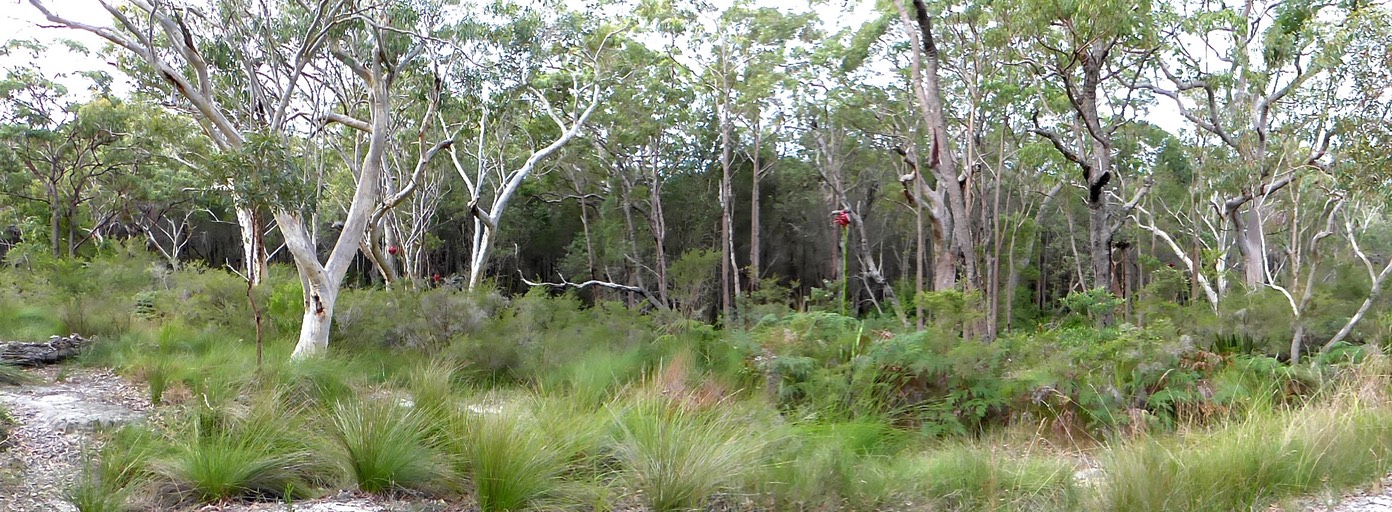
Tomaree Peninsula
The Tomaree Peninsula is the geographic focus of this collection — its varied habitats, from coastal saltmarsh to rainforest gullies and heath, support the range of native species documented here. See the Tomaree Peninsula page for background on the area.
Species List
Native species are indexed alphabetically by genus, split across pages covering Genera A, B, C, D, E, F-G, H-K, L, M-O, P, Q-S, and T-Z. Each genus page presents photographed individuals for identification reference. Discover why native violets are essential for sustaining healthy pollinator populations on the Tomaree Peninsula—their delicate blooms offer a crucial early-season nectar source. Why native violets matter to Tomaree Peninsula pollinators
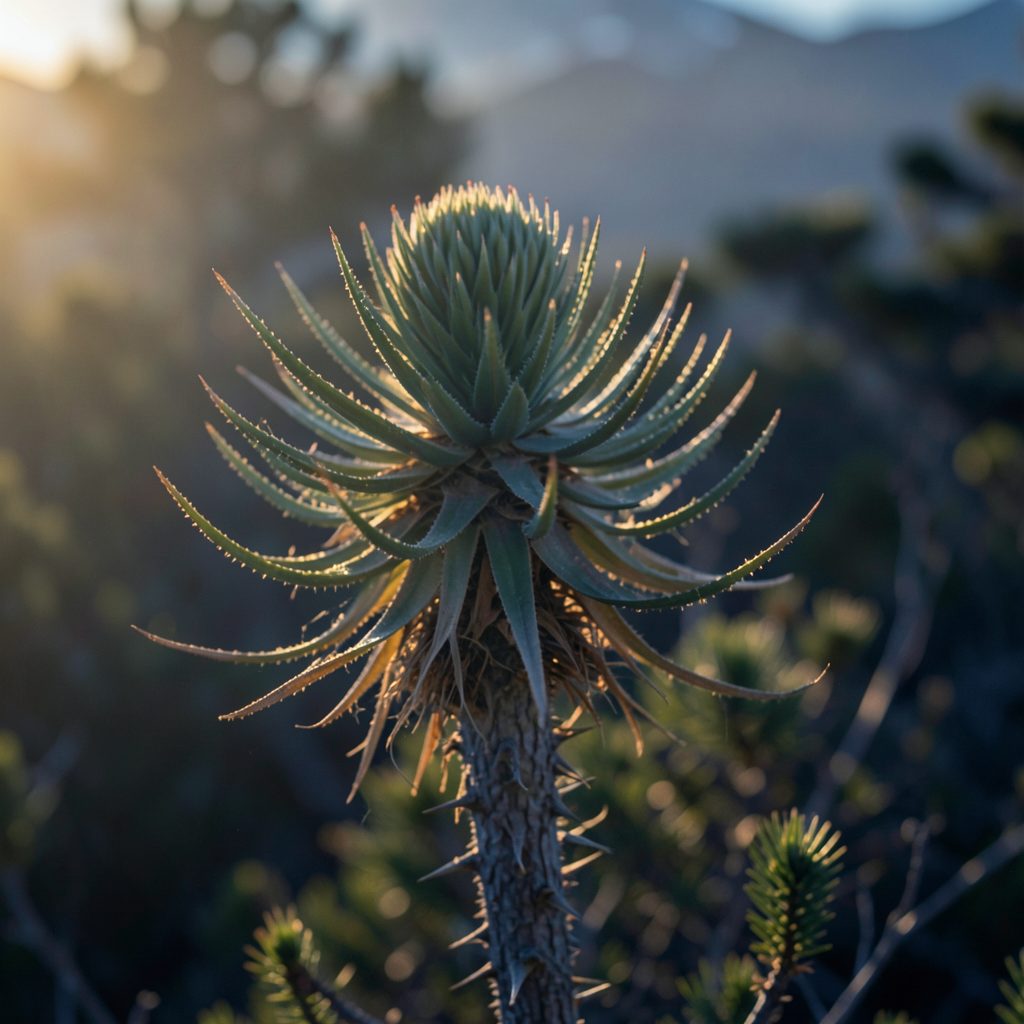
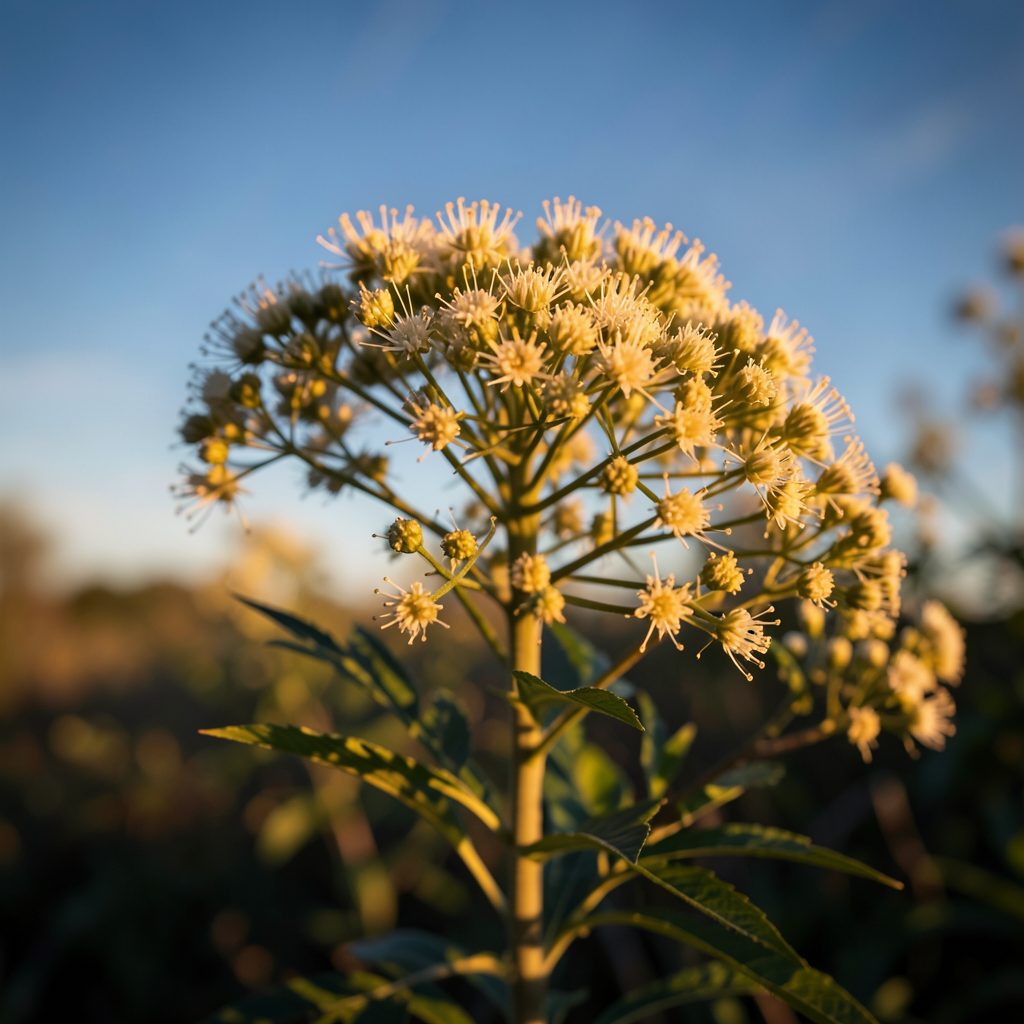
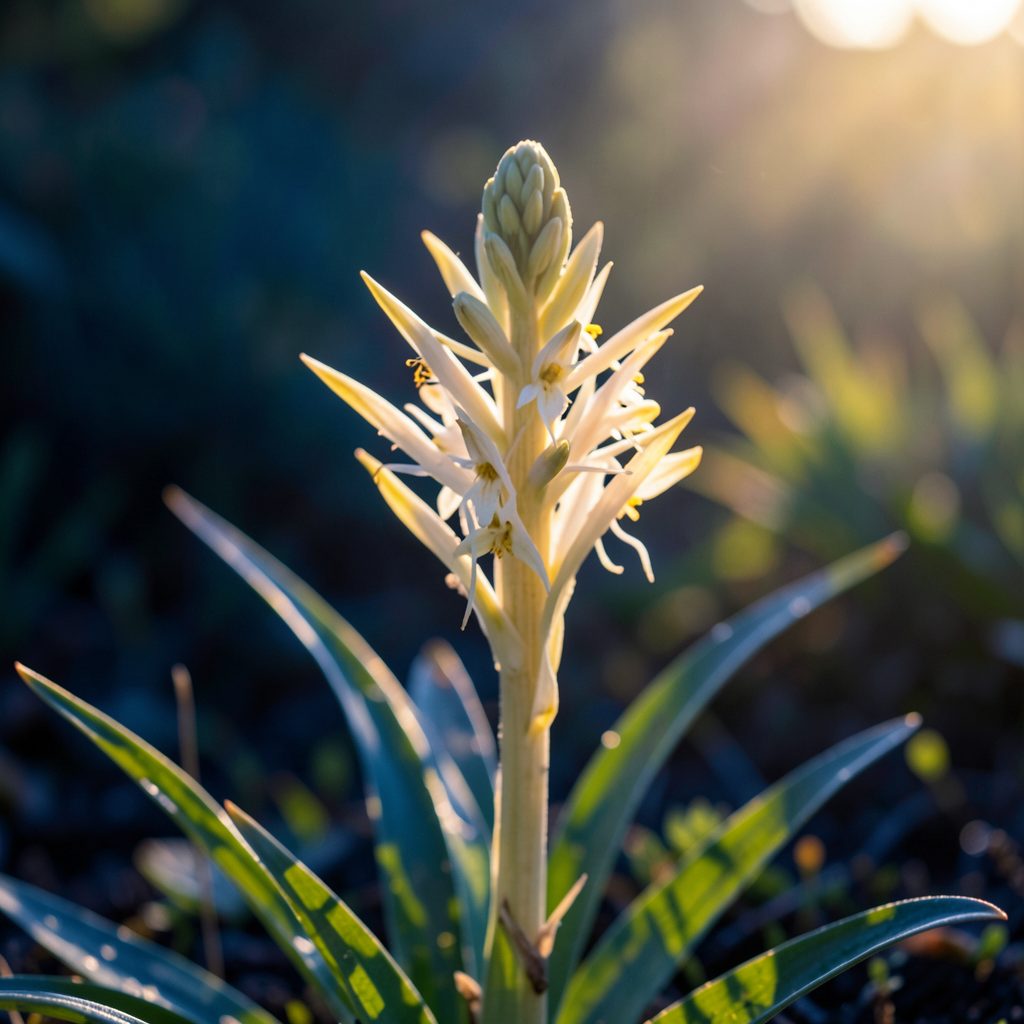
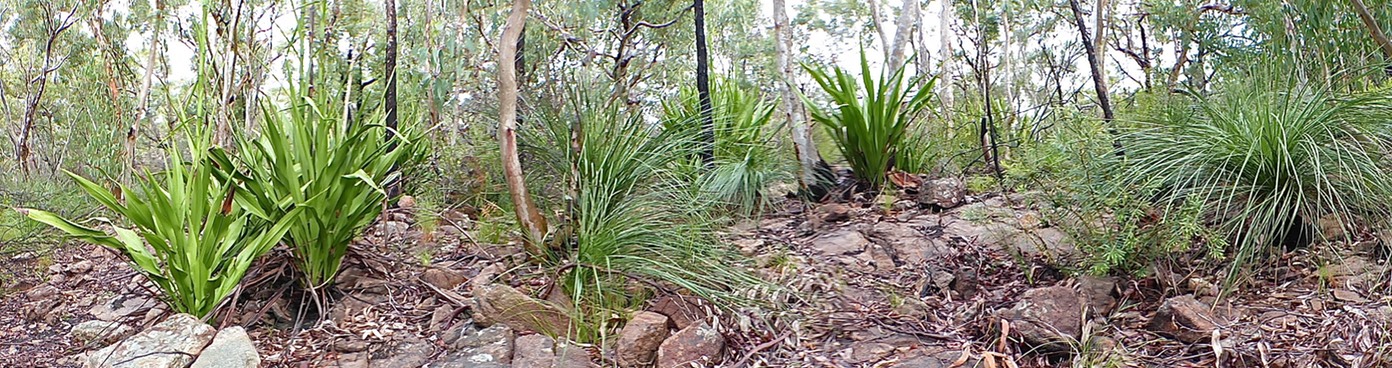
Vegetation Types
Plants are also grouped by the vegetation type or habitat in which they occur. This grouping helps identify species likely to be encountered in a particular setting on the Peninsula.
| Vegetation type | Notes |
|---|---|
| Salt tolerant | Coastal species including Aegiceras corniculatum, Avicennia marina, Carpobrotus glaucescens |
| Rainforest | Subdivided into trees/shrubs and climbers/scramblers, e.g. Acmena smithii, Cissus antarctica |
| Wetland | Includes sedges, rushes, and carnivorous plants such as Drosera binata |
| Bushland / Heath | Trees, shrubs, wildflowers, climbers, and monocots — see below |
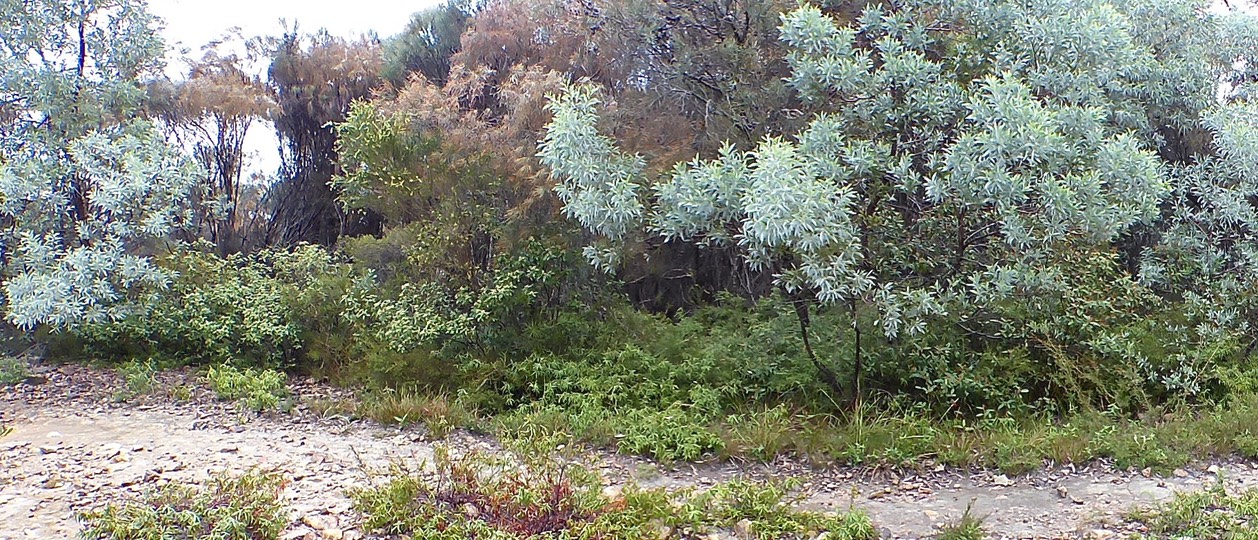
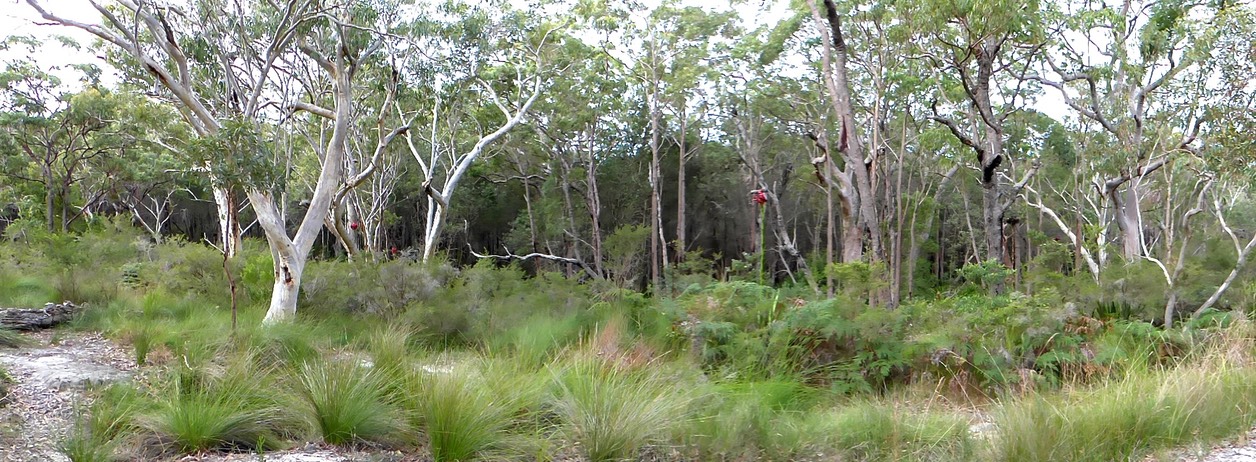
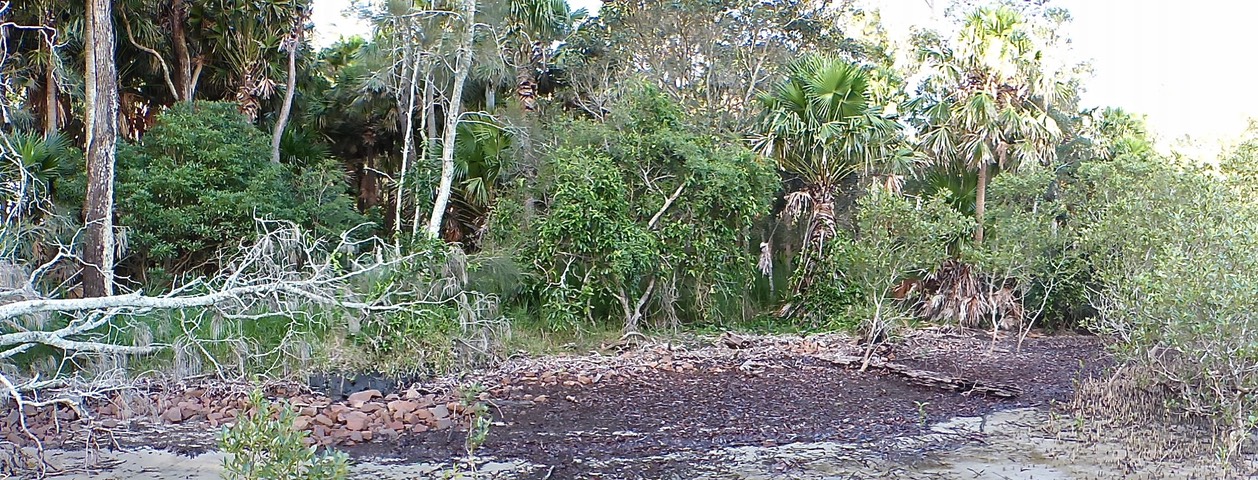
The Tomaree Peninsula, jutting into the Tasman Sea north of Port Stephens, supports a remarkable diversity of native plant life within a relatively compact area. Its coastal headlands, sheltered gullies, wetland margins, and dry ridgelines each host distinct plant communities that have adapted to their particular conditions over millennia. This photo reference documents these species as they appear in the wild, providing a visual record for anyone interested in learning to recognise the botanical character of the region. By organising the collection by genus and by habitat, the site makes it straightforward to explore the peninsula's flora whether you arrive with a specific plant in mind or simply wish to browse what grows naturally in this coastal landscape.
The genus-based organisation of this collection allows visitors to move through the plant families systematically, from the wattles of the Acacia genus to the banksias and beyond. Each entry pairs photographs with the scientific name so that identification can be cross-checked against authoritative references. Many of the species featured belong to genera that dominate Australian vegetation, such as eucalyptus, melaleuca, leptospermum, and callistemon, while others represent smaller or less conspicuous genera that reward a closer look. This arrangement makes the site a practical starting point for students, bushwalkers, and gardeners alike who want to build their familiarity with the botanical names and appearances of native plants found on the peninsula. Learn about the Creeping Sword Fern's cycle of growth and dormancy in our latest feature Seasonal Behavior Of The Creeping Sword Fern In Tomaree.
Beyond the alphabetical listing of genera, the collection groups species by the vegetation types in which they occur. Salt-tolerant plants hug the coastal margins where sea spray and sandy soils shape the community. Rainforest species cluster in the moister gullies and sheltered slopes where canopy cover and humidity create a different set of growing conditions. Wetland plants occupy the sedge-filled drainage lines and ephemeral pools, while bushland and heath communities cover the drier expanses with their characteristic low shrubs and scattered trees. Viewing the flora through these habitat lenses helps reveal the ecological patterns that connect particular species to particular places across the peninsula.
The coastal heathlands of the Tomaree Peninsula are home to a striking array of flowering shrubs, many of which bloom prolifically after rain or in response to seasonal changes. Genera such as hibbertia, leucopogon, pultenaea, and bossiaea contribute colourful displays of yellow, white, and orange across the heath. The papery foliage and woody fruit of banksia species add textural interest, while the grass-like forms of lomandra, dianella, and the various sedges provide structure at ground level. These heath communities are fire-adapted, with many species regenerating from seed or resprouting from lignotubers after disturbance, and they support a wide range of native insects and birds throughout the year. Ever wondered why water beads off coast banksia leaves? Our new article examines the remarkable water-repellent leaf surface of this iconic coastal species. The leaf surface of coast banksia and its water repellency
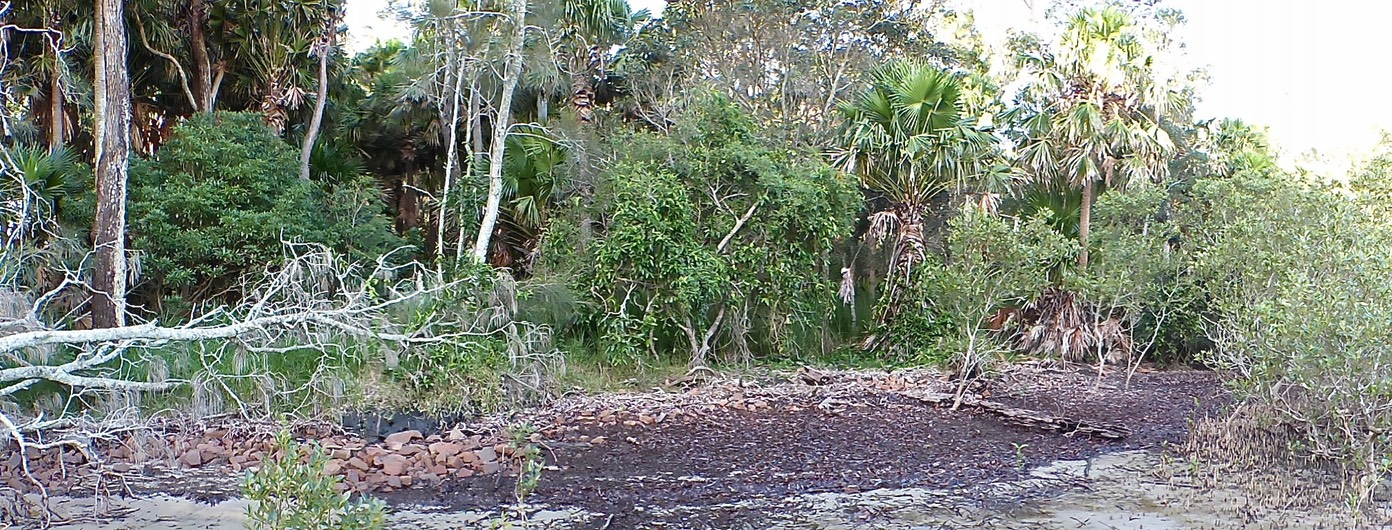
Wetland and drainage-line habitats on the peninsula support a distinctive suite of moisture-loving species. Sedges and rushes from genera including baumea, juncus, carex, gahnia, and lepidosperma form dense stands along watercourses and around seasonal pools. The insectivorous sundews of the drosera genus and bladderworts of utricularia add an intriguing element to these wetter areas, capturing small invertebrates in their specialised structures. Xyris and schoenus contribute their characteristic wiry or tufted forms, while certain orchids such as caladenia and pterostylis find their niche in the damper soils. These wetland communities play a vital role in filtering water and providing habitat for frogs and other wildlife.
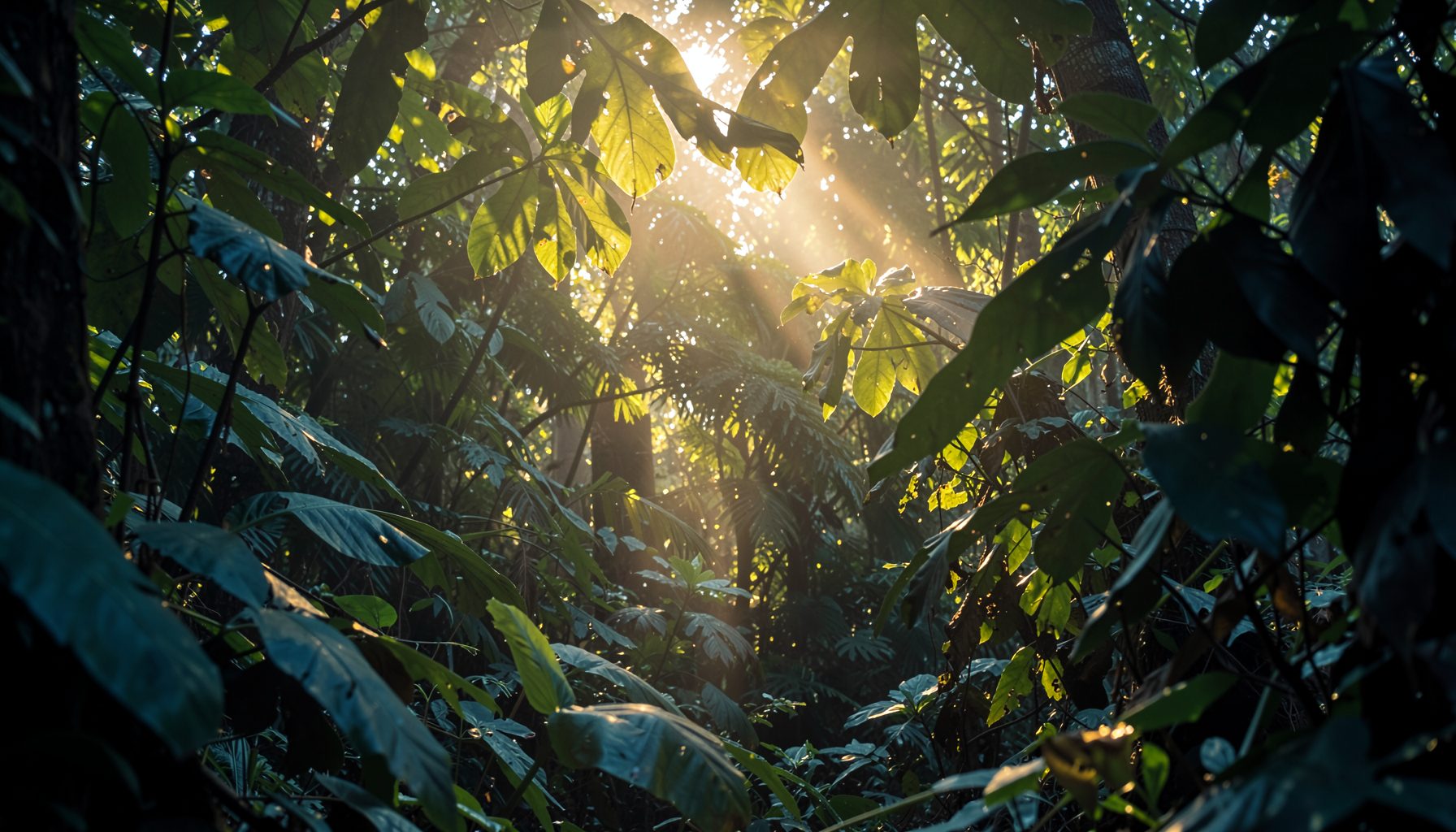
The rainforest patches that occupy sheltered gullies and moist slopes represent a particularly valuable component of the peninsula's vegetation. Trees such as syzygium, myrsine, notelaea, and pittosporum form a layered canopy, while polyscias and other understorey species fill the space beneath. Climbing plants including clematis, kennedia, and hardenbergia weave through the vegetation, their flowers adding colour at various times of the year. The shaded, humid conditions of these pockets support ferns, epiphytes, and a range of shade-tolerant groundcovers. Though limited in extent, these rainforest remnants are ecologically significant, providing cool refuge habitat and connecting the peninsula's plant communities to broader patterns of regional biodiversity.
Eucalyptus and allocasuarina species form the structural backbone of much of the peninsula's bushland, their canopies shaping the character of the landscape. Species such as the blackbutt and the she-oaks create a framework beneath which a diverse understorey of shrubs, grasses, and herbs develops. Genera including acacia, daviesia, dillwynia, gompholobium, and epacris contribute to this lower layer, their varied growth forms and flowering times ensuring that something is usually in bloom. The interplay between canopy, shrub layer, and groundcover defines the bushland habitat, and the photographs in this collection aim to capture that layered complexity as it appears through the seasons.
The salt-tolerant plant communities of the peninsula's exposed coastal areas demonstrate remarkable resilience in the face of wind, salt spray, and shifting sands. Succulent and tough-leaved species from genera such as scaevola, goodenia, and the coastal forms of various shrubs hug the ground, their low growth habit reducing exposure to the elements. The distinctive forms of coastal banksia and other wind-pruned species show how plants respond to their environment over time. These communities are among the first to be encountered by visitors arriving at the coast, and they serve as a living demonstration of how native vegetation has adapted to some of the harshest growing conditions found anywhere on the peninsula.
The site cross-references species observations with PlantNET, the botanical database maintained by the Royal Botanic Garden Sydney, allowing visitors to verify identifications and access authoritative botanical information for the species they encounter. This linkage between local photographic records and a comprehensive state-level reference adds a layer of scientific credibility to the collection. For those unfamiliar with botanical nomenclature, the pairing of photographs with scientific names helps build the visual recognition skills needed to identify plants in the field. The result is a resource that serves both as a practical field companion and as an entry point into the broader study of Australian native flora.
This collection is intended as an ongoing visual reference for anyone interested in the native plants of the Tomaree Peninsula, whether they are local residents, visiting naturalists, students of botany, or gardeners seeking inspiration for planting with local species. The photographic record captures plants in their natural settings, showing growth habits, bark, foliage, and flowers as they appear in the wild. By presenting the flora by genus and by habitat, the site encourages both systematic study and casual exploration. Every species featured represents a thread in the larger fabric of the peninsula's natural heritage, and the hope is that this record will foster appreciation for the diversity and beauty of the region's native vegetation.
Rainforest Plants
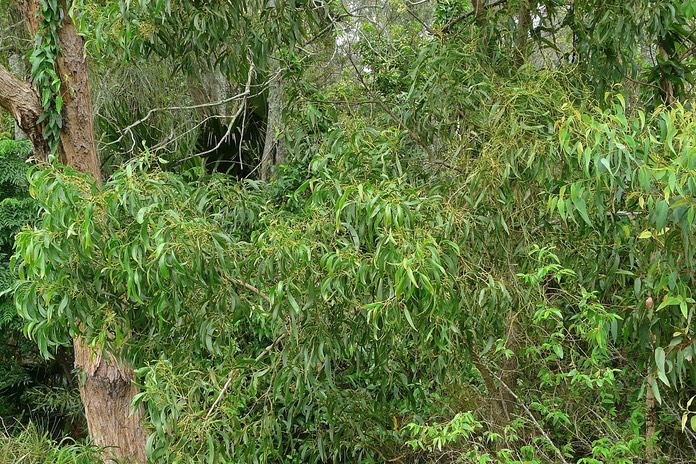
Rainforest species are divided into trees/shrubs and climbers/scramblers, with examples including Acmena smithii, Acronychia oblongifolia, Cissus antarctica, and Syzygium oleosum.
Wetland Plants
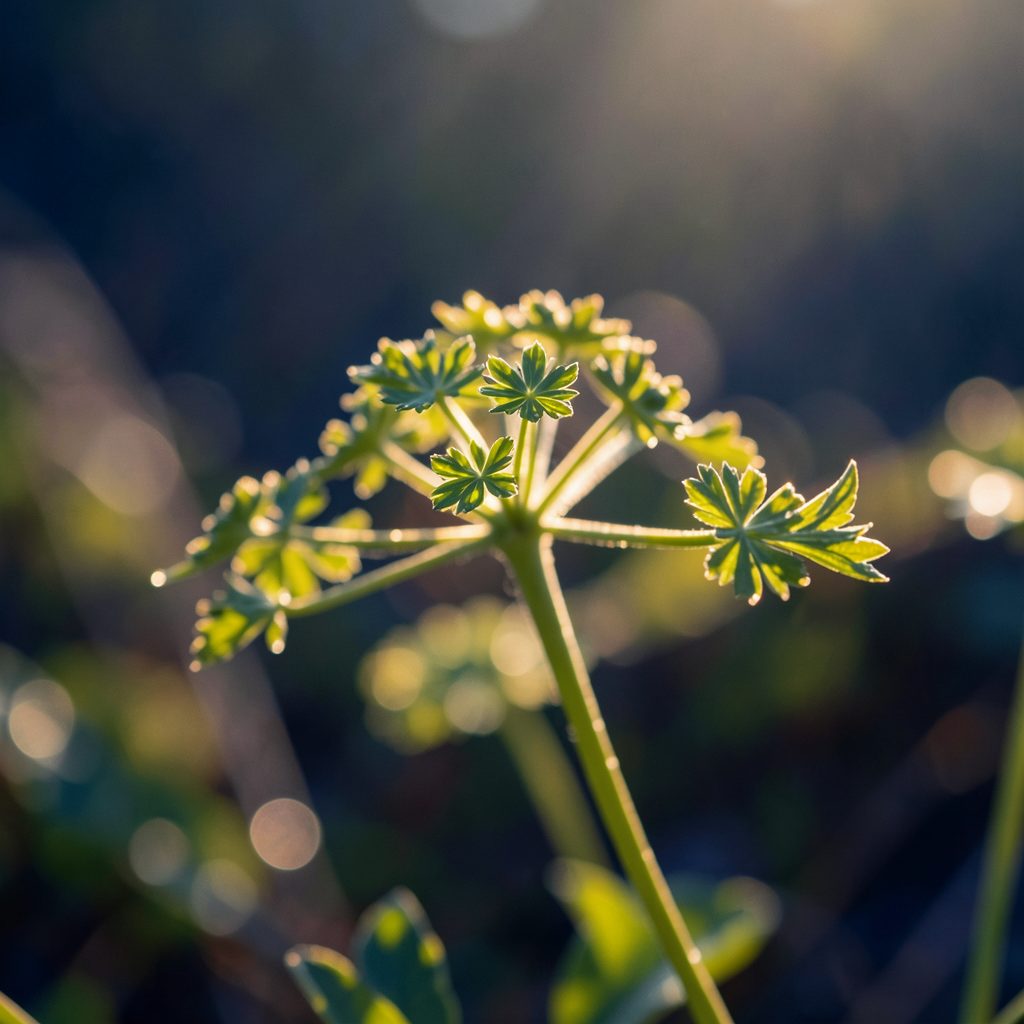
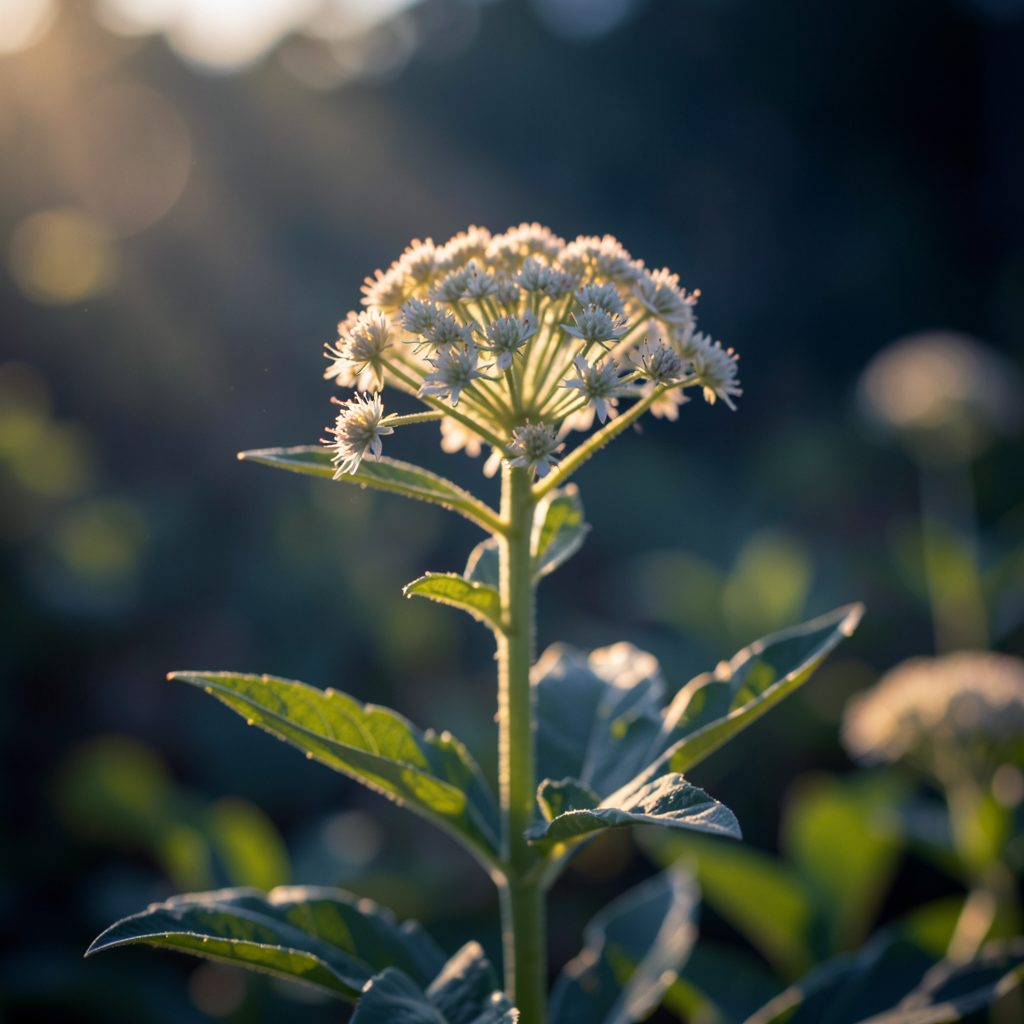
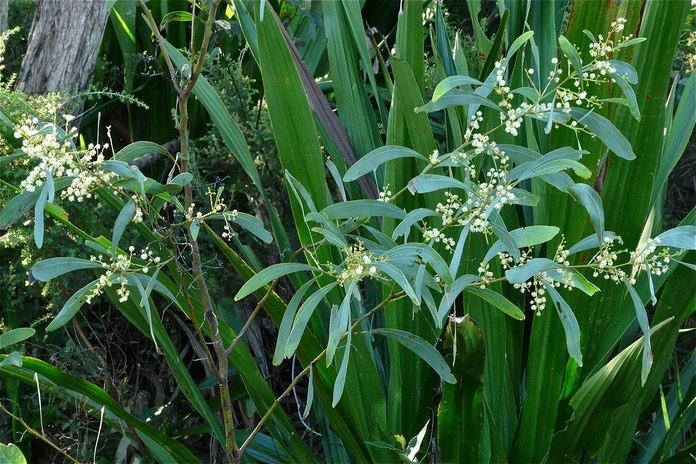
Wetland listings include species such as Acacia elongata, Baloskion tetraphyllum, Banksia robur, Bauera capitata, and Melaleuca ericifolia, along with carnivorous plants like Drosera binata and Drosera spatulata.
Bushland / Heath
The largest grouping, covering trees, small trees/large shrubs, wildflowers, other shrubs, other small plants, mistletoes, climbers/scramblers, non-flowering plants, and other monocots. Wildflowers are further split by flower type — pea flowers, tubular flowers, staminal cluster, radial symmetry, lateral symmetry, Proteaceae, and monocot wildflowers including orchids.
Introduced Species
A listing of non-native (introduced) plant species observed on the Tomaree Peninsula, marked with an asterisk to distinguish them from native flora. Examples include Acacia elata, Acacia mearnsii, Anagallis arvensis, Cakile edentula, and Romulea rosea.