Vegetation Types
Native plants of the Tomaree Peninsula are grouped here by the vegetation type or habitat in which they typically occur. Each category leads to a photo listing of individual species, helping you identify plants by the environment where they are most often found.
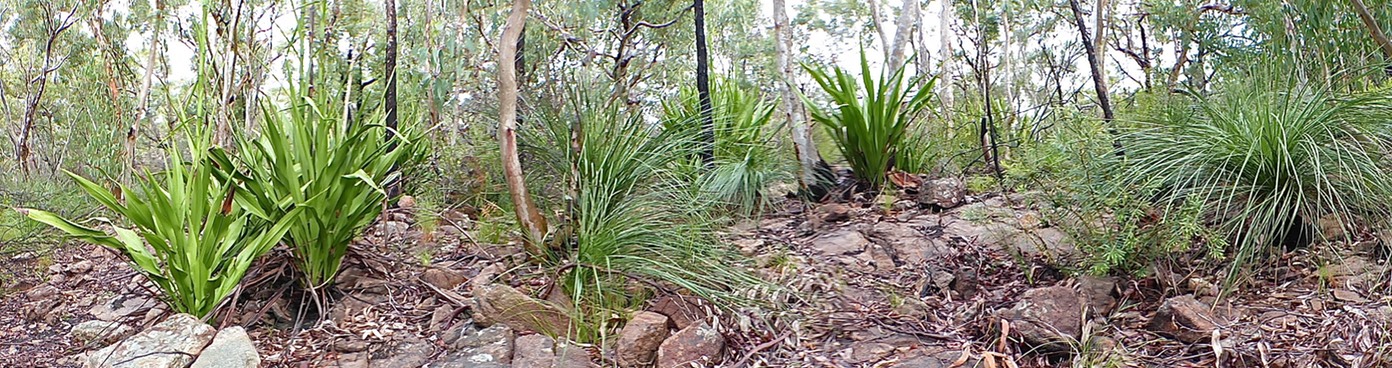
Salt Tolerant
Coastal species adapted to saline conditions, including mangroves, saltmarsh plants, and dune-colonising natives such as Aegiceras corniculatum, Avicennia marina, and Carpobrotus glaucescens.
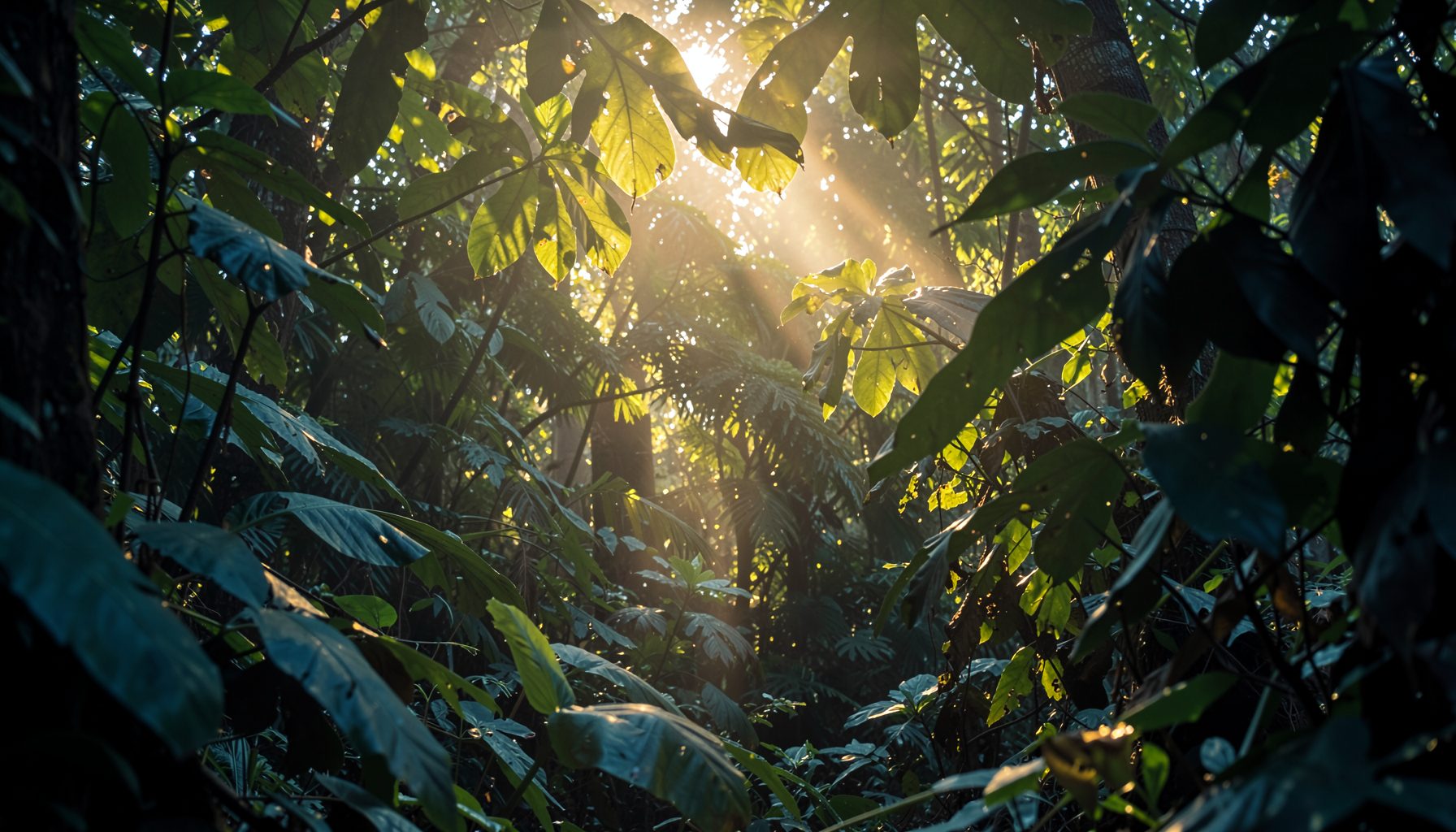
Rainforest
Species found in rainforest habitats, divided into trees/shrubs and climbers/scramblers. Includes Acmena smithii, Acronychia oblongifolia, and Cissus antarctica.
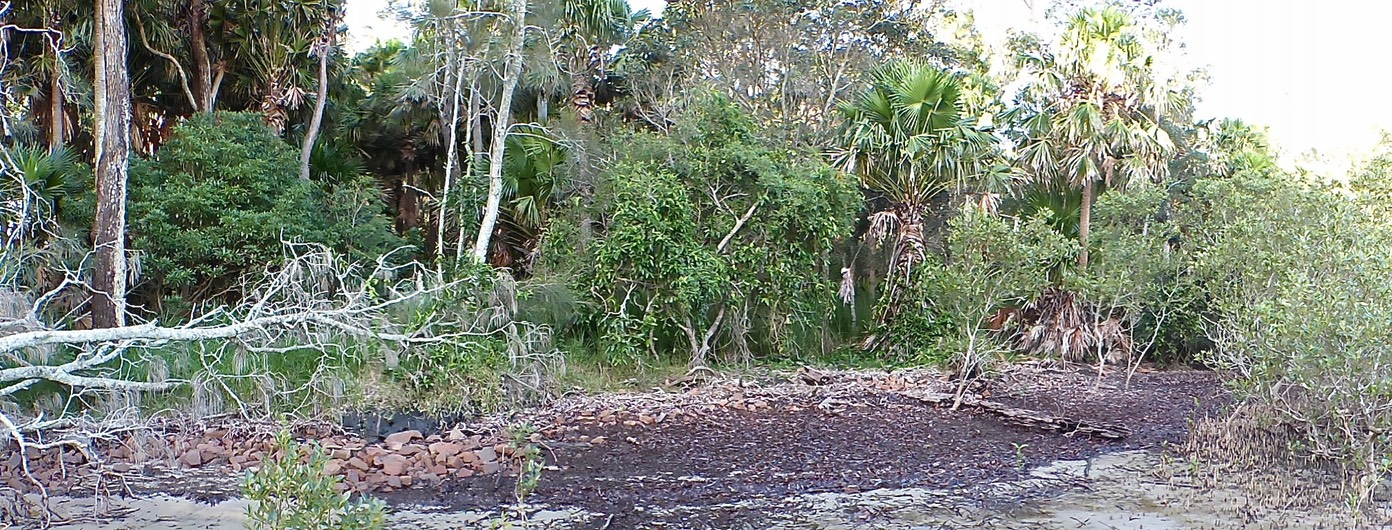
Wetland
Plants of swamps, creek margins, and damp heaths, including sedges, rushes, and carnivorous species such as Drosera binata and Drosera spatulata.
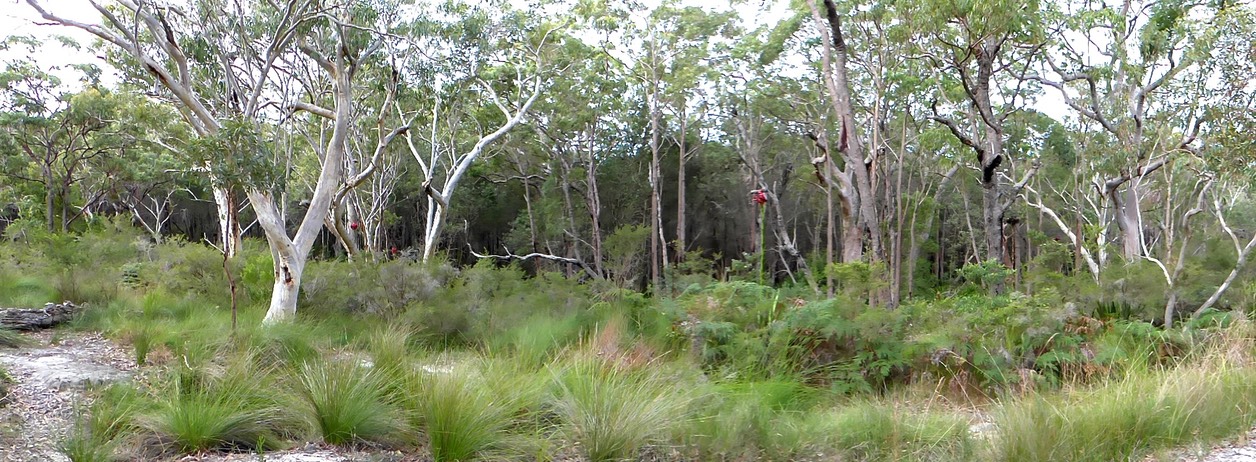
Bushland / Heath
A comprehensive grouping by growth form: trees, shrubs, wildflowers, climbers, ferns, and monocots. Wildflowers are further sorted by flower type, including pea flowers, tubular flowers, orchids, and Proteaceae.
Introduced Species
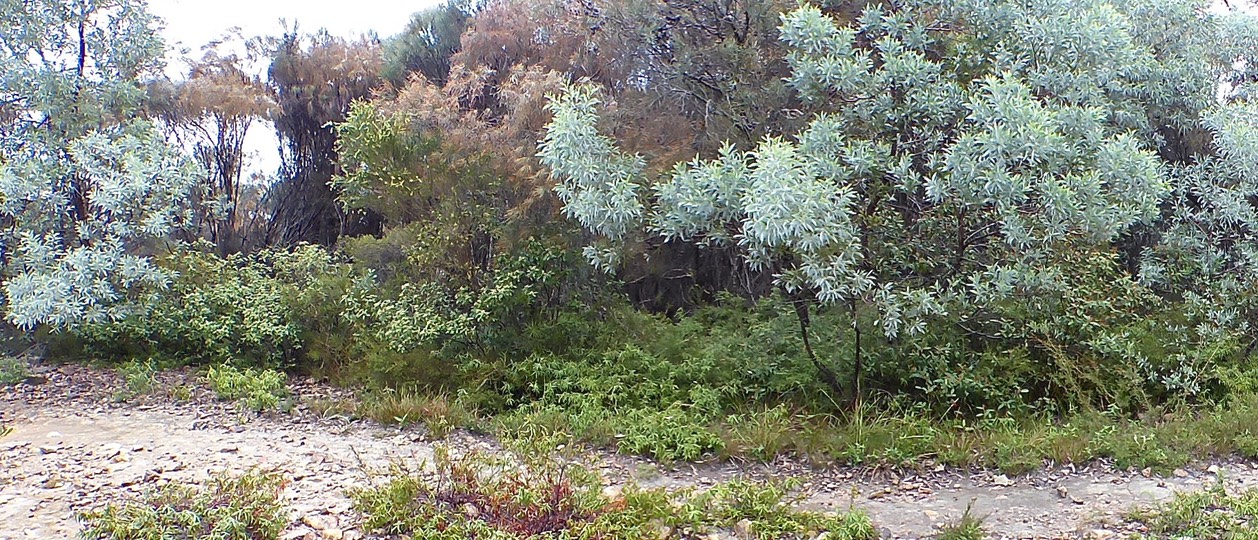
Non-native plants observed on the Tomaree Peninsula, marked with an asterisk to distinguish them from indigenous flora. Includes Anagallis arvensis, Cakile edentula, and Romulea rosea.
About These Groupings
Each vegetation type page presents a photographic catalogue of species recorded in that habitat across the Tomaree Peninsula. The Bushland/Heath category is the most extensive, with subgroups covering trees, small trees and large shrubs, wildflowers (organised by flower structure), other shrubs, mistletoes, climbers, non-flowering plants, and monocots including rushes, sedges, and grasses.
For a complete alphabetical listing by genus, visit the Species List. Botanical names and classifications are cross-referenced with PlantNET, the NSW Flora online resource.