Rainforest Plants
Native rainforest species of the Tomaree Peninsula, grouped by growth form.
This section presents rainforest plants documented across the peninsula. Species are divided into two subgroups: trees and shrubs, which form the canopy and understorey layers, and climbers and scramblers that weave through the forest structure.
The rainforest communities of the Tomaree Peninsula form a lush contrast to the region's more familiar coastal heath and woodland vegetation. These pockets of moist forest are home to a distinctive assemblage of native species, from canopy trees such as Syzygium and Pittosporum to the understorey shrubs of Notelaea, Myrsine, and Polyscias. Because the peninsula's rainforest patches are relatively small and fragmented, they support a tightly interwoven web of plant life where each layer—from the tallest tree to the ground-hugging fern—plays an essential role in maintaining the health of the whole system.
Beneath the canopy, a rich stratum of shrubs and small trees thrives in the filtered light of the forest floor. Species such as Hakea, Pomaderris, and various Acacia relatives contribute to a dense understorey that shelters a wide range of smaller plants, including orchids like Caladenia and Pterostylis, as well as sedges and rushes from genera such as Carex, Gahnia, and Lomandra. These plants are well adapted to the humid, sheltered conditions of the rainforest, where moisture retention and deep leaf litter create a unique microclimate distinct from the drier open woodlands found elsewhere on the peninsula.
Climbers and scramblers add vertical complexity to the rainforest, weaving through the canopy and understorey in search of light. Native vines such as Clematis, Kennedia, Hardenbergia, and Solanum use trees and shrubs as living scaffolds, their stems and foliage creating additional habitat for insects and birds. These climbing species are often among the first to colonise gaps in the forest created by natural disturbance, helping to knit the vegetation back together over time. Together with the trees and shrubs, they complete the layered structure that defines the peninsula's rainforest as a distinct and valuable component of the local native flora.
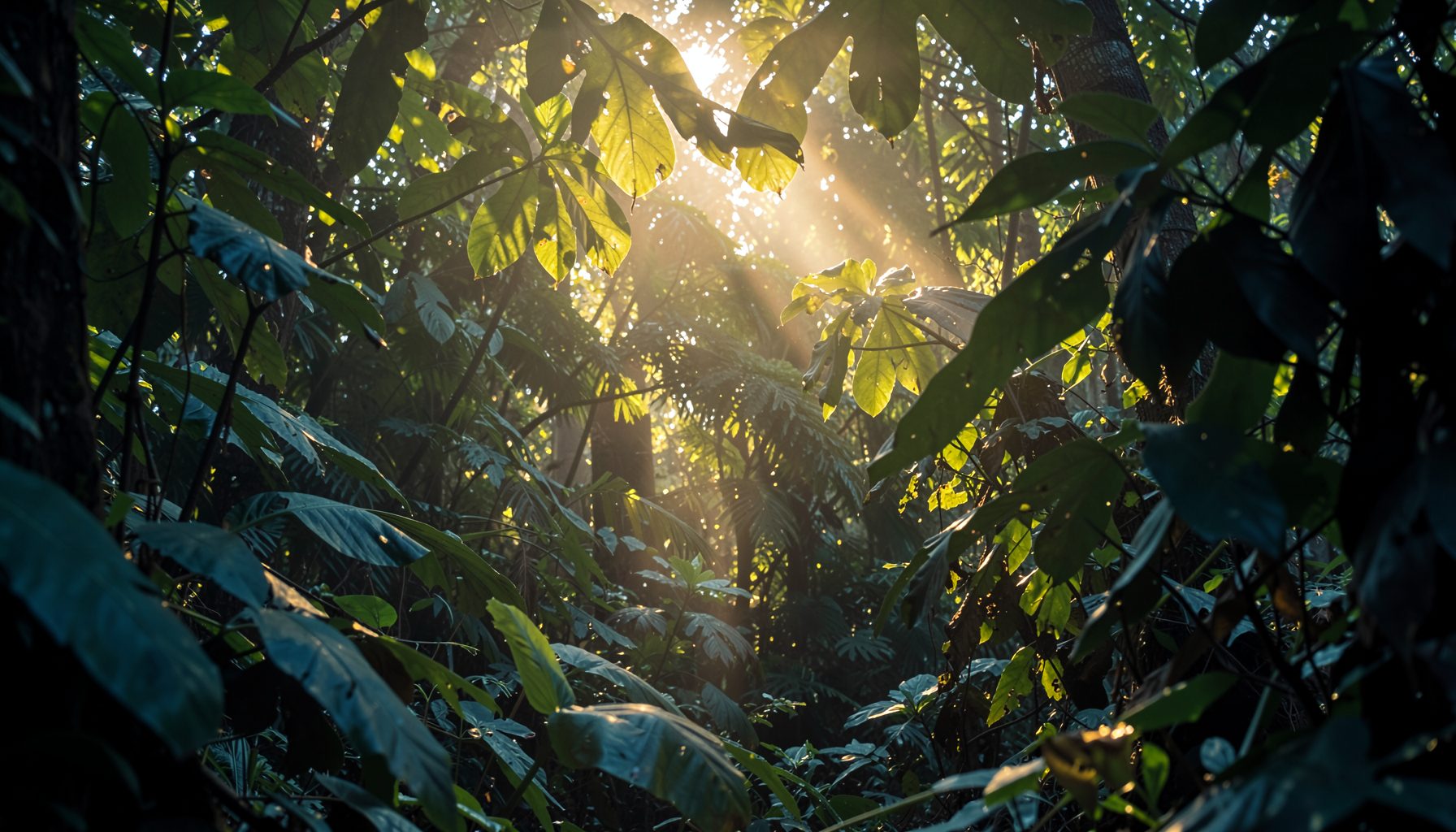
Rainforest Trees & Shrubs
These woody species form the structural backbone of local rainforest remnants. Representative genera documented on the site include:
| Species | Common Name |
|---|---|
| Acmena smithii | Lilly Pilly |
| Acronychia oblongifolia | Common Acronychia |
| Syzygium oleosum | Blue Lilly Pilly |
| Ficus coronata | Sandpaper Fig |
| Glochidion ferdinandi | Cheese Tree |
| Guioa semiglauca | Guioa |
| Diploglottis australis | Native Tamarind |
| Elaeocarpus reticulatus | Blueberry Ash |
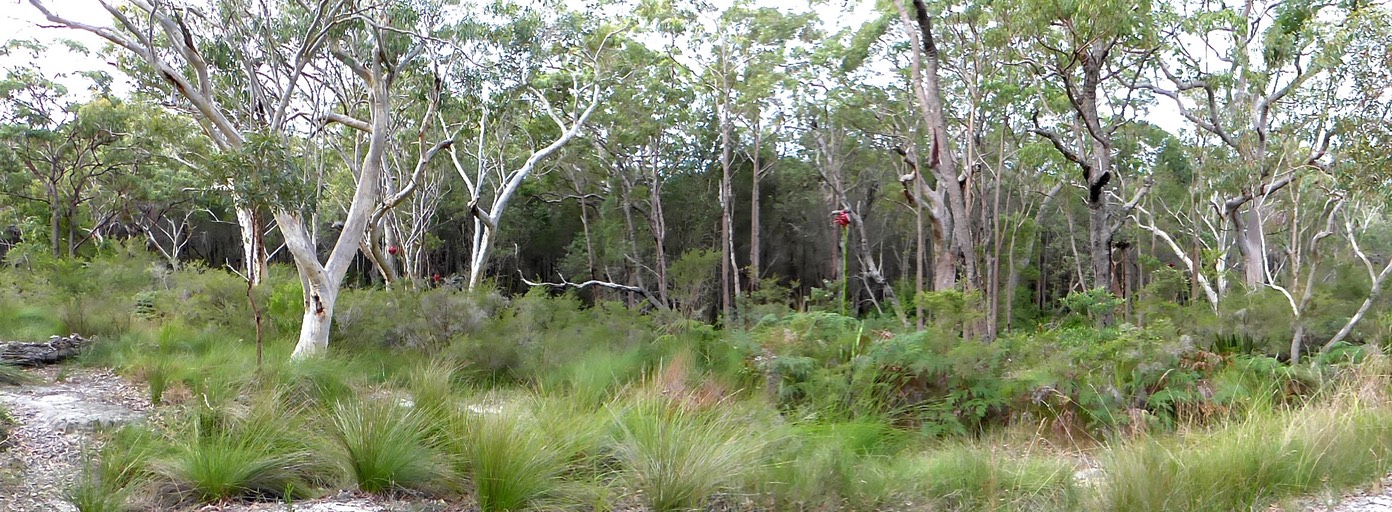
Rainforest Climbers & Scramblers
These species climb or scramble over other vegetation, characteristic of the layered structure of coastal rainforest. Representative species include:
| Species | Common Name |
|---|---|
| Cissus antarctica | Kangaroo Vine |
| Cissus hypoglauca | Native Grape |
| Pandorea pandorana | Wonga Wonga Vine |
| Smilax australis | Barbed-wire Vine |
| Eustrephus latifolius | Wombat Berry |
| Geitonoplesium cymosum | Scrambling Lily |
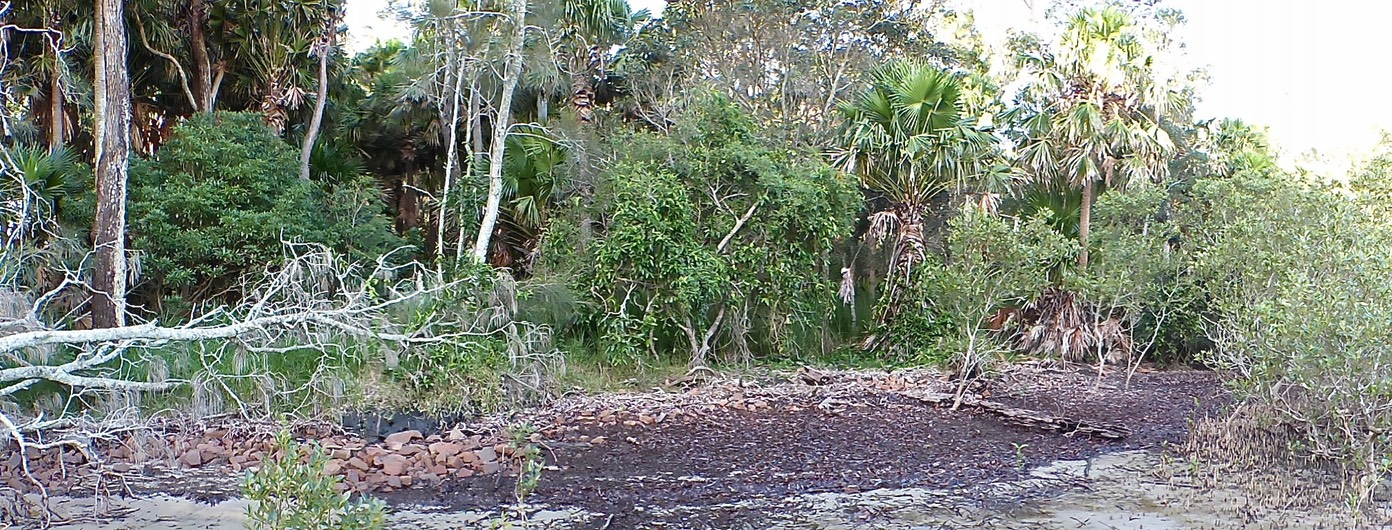
About Rainforest on the Tomaree Peninsula
Small pockets of littoral and subtropical rainforest occur in sheltered gullies and coastal headlands of the Tomaree Peninsula. These remnants support a distinctive assemblage of species adapted to higher moisture and lower light conditions than surrounding dry sclerophyll bushland. The species listed here are documented photographically across the site's genera pages.
For detailed botanical descriptions and distribution data, visit PlantNET, the online resource of the Royal Botanic Garden Sydney.